
Make Your Pop‑Up Trivia Street‑Legal and Unforgettable

Today we dive into permits and legal logistics for trivia pop‑ups in public spaces, translating confusing rules into a friendly plan. We will cover permissions, insurance, accessibility, safety, noise, prizes, data, and operations. Expect practical timelines, checklists, and small negotiation tips that keep officials cooperative and neighbors supportive, so your questions land clearly, crowds stay happy, and the event finishes with applause instead of citations.

Start With the Map: Who Owns the Ground Beneath Your Tables

Right‑of‑Way vs. Parks: Different Gatekeepers

Public right‑of‑way typically involves transportation or street activity units, while parks are governed by parks departments with distinct special event guidelines. The same folding table that’s fine on a sidewalk may require an entirely different approval across a lawn. Staff will ask about attendance, setup, sound, and ADA access. Bring a tidy site plan and sincere respect for maintenance schedules. When officers see professionalism, they see partners. Ask clarifying questions early, and document guidance to avoid last‑minute surprises.

Private Plazas and Building Forecourts

Privately owned public spaces often require written permission from property managers and, sometimes, notice to building security. Expect requests for a certificate of insurance, hold harmless language, and a defined footprint. Show how queues will stay clear of entries, fire lanes, and deliveries. Keep communication warm and proactive. Offer a draft run‑of‑show, include contact numbers, and suggest a brief radio check on arrival. A gracious approach turns skeptical managers into returning partners who welcome your audiences back.

Transit, Campuses, and Quasi‑Public Spaces

Transit authorities, universities, and cultural districts operate like small cities with their own rules, calendars, and blackout dates. Expect background checks for certain areas, limits on sound, brand restrictions, and stricter safety plans during rush hours or exams. Build extra lead time, and propose low‑impact layouts that respect circulation patterns. Ask for station or campus ambassadors to advise on traffic peaks, elevator bottlenecks, and custodial coordination. Their insight prevents frustration, protects goodwill, and keeps the trivia energy welcoming.

Approvals, Permits, and the Paper Trail That Keeps You Open

Clarity wins approvals. Provide a scaled site plan with entry points, queuing, egress, ADA routes, and equipment. List power sources, cable management, and waste plans. Define staffing roles and emergency responses. Share sample trivia formats that illustrate calm crowd flow and respectful sound use. Keep your narrative concise, friendly, and realistic. Anticipate concerns about obstruction, litter, and nearby businesses. When reviewers feel you understand their world, they’ll move you forward and recommend practical conditions that protect everyone.
Rushing permits is risky. Standard review windows can range from two to eight weeks, and agencies coordinate with police, sanitation, and transportation. Build a buffer for questions and revisions. Expect application and processing fees, sometimes separate electricity or park impact charges. Ask about community board calendars; some require public notice. Proposing flexible dates helps staff slot you in. If you truly need speed, present a minimalist setup, clear safety plan, and proven experience, showing reduced risk and quick compliance.
Even with paperwork secured, your success depends on nearby businesses and residents. Notify them kindly with dates, times, and a contact number. Promise modest sound levels, clean sidewalks, and attentive crowd management. If a permit requires dedicated cleanup or barriers, deliver without grumbling. Post clear signage for restrooms and accessible routes. When someone complains, listen, thank them, and adjust. Respect breeds repeat permission, and gracious follow‑through becomes your best branding, opening doors to dream locations and bigger collaborations.

Risk Managed: Insurance, Indemnity, and Agreements That Matter
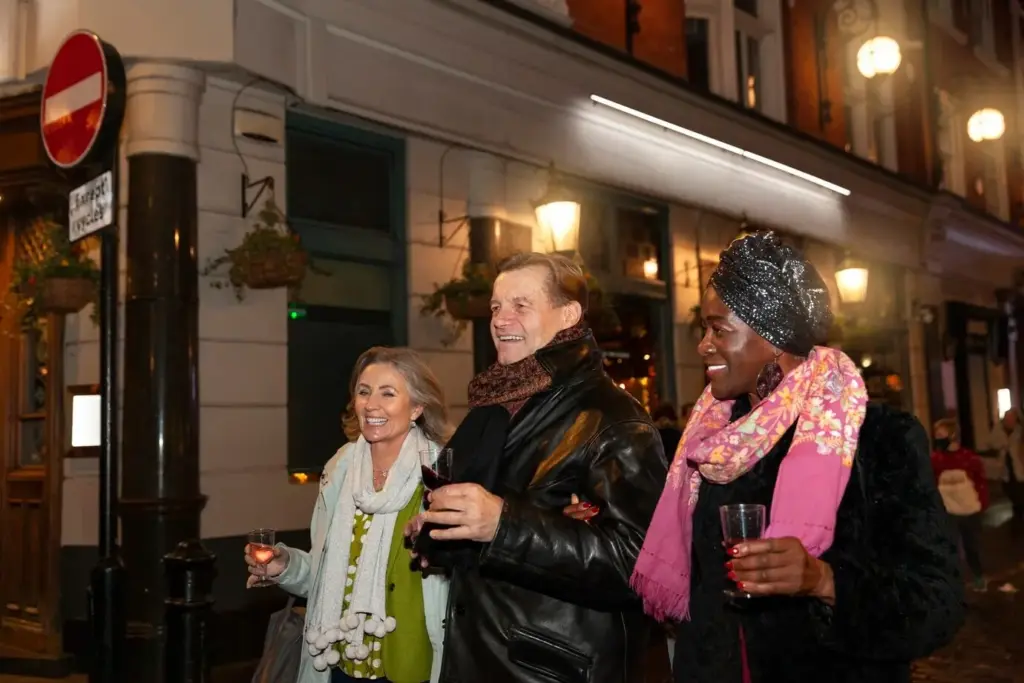
A lively crowd deserves calm protection. Expect to provide general liability insurance with additional insured endorsements naming the city, park, or property owner. Vendor agreements should define responsibilities, from load‑in to cleanup. Indemnity clauses clarify who covers what if something goes wrong. Collect waivers where appropriate, especially for contests, photos, or minors. Keep certificates current, filenames clear, and contacts reachable. Share your approach below; producers learn fastest from real contract wins, near misses, and the phrasing that earns approvals.

Sound, Structure, and Safety: Keep Fun Audible and Compliant

Great trivia needs clear audio, safe footing, and sensible layouts. Many cities cap amplified sound, require permits for speakers, and restrict times near residences. Temporary structures and tents may trigger fire inspections and ballast rules. Tape cables, light walkways, and keep exits free. Plan for weather with canopies, weights, and evacuation cues. Share decibel targets, time windows, and your best low‑impact audio tricks in the comments. Smart design keeps officials relaxed, guests comfortable, and neighbors surprisingly appreciative.

Prizes, Promotions, and Data: Legal Joy Without Legal Headaches

Trivia thrives on prizes and proud winners, but regulations still apply. Skill‑based contests have different rules than chance‑based giveaways. Publish clear eligibility, judging criteria, and dispute procedures. Mind alcohol, tobacco, and age restrictions. Disclose sponsorship honestly. Track prize values for tax reporting, and avoid misleading advertising. When collecting emails, use opt‑in consent, honor unsubscribes, and respect privacy laws. Share your best wording below. Transparent rules build trust, magnify excitement, and turn first‑timers into loyal fans who return weekly.

Skill, Chance, and Official Rules That Hold Up
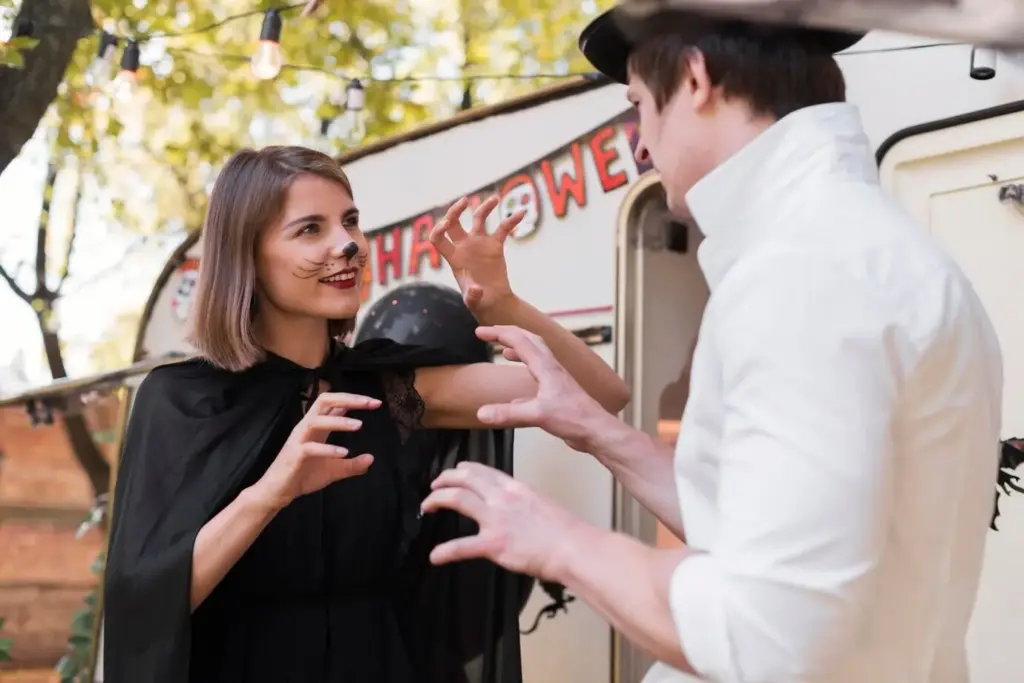
Structure games as skill‑based to simplify compliance, with publicly stated criteria: accuracy, speed, and tie‑break methods. Avoid random drawings if you are unsure about sweepstakes laws or required registrations. Publish rules on a QR page and onsite signage. Provide a fair protest process with a single decision maker. Describe prohibited conduct kindly. Accessibility matters—offer alternative participation methods where appropriate. Well‑drafted rules make winners proud, protect fairness, and let disputes resolve quickly without overshadowing the laughter your questions deserve.

Prize Values, Taxes, and Sponsorship Disclosures

Track the approximate retail value of prizes and understand thresholds that may trigger tax forms. Clarify whether gift cards have restrictions or expiration dates. Disclose sponsor relationships on signage and social posts to maintain audience trust. If alcohol is included, comply with local laws and brand guidelines. Use simple language to explain how winners receive items and what identification may be required. Transparency prevents awkward moments at pickup tables and reinforces the credibility that keeps partners returning with bigger rewards.

From Idea to Sidewalk: Operational Playbook and Field Lessons
The Week‑By‑Week Checklist You’ll Actually Follow

Start eight weeks out with jurisdiction research, early holds, and insurance confirmations. Six weeks out, submit permits and engage neighbors. Four weeks out, lock vendors, prizes, and accessibility accommodations. Two weeks out, confirm staffing and radios. Week‑of, print site maps, rules, and check‑in sheets. Day‑of, walk the footprint with security and inspectors, test sound, and rehearse weather messages. Afterward, debrief with your crew. This rhythm turns paperwork into confidence and makes every future approval feel friendlier.

On‑Site Communications, Briefings, and Incident Logs

Hold a five‑minute huddle before doors: roles, call signs, evacuation cues, and code phrases for volume reductions. Keep a shared incident sheet for minor issues—trips, disputes, or equipment hiccups. Praise quick fixes immediately; celebrate neighbor feedback. Post one visible schedule board so guests know when rounds start and finish. When authorities check in, respond warmly, note feedback, and adjust. Documentation shows maturity, protects your brand, and provides the evidence officials appreciate the next time your email arrives.

Two Stories: A Save in Austin, A Lesson in Boston

In Austin, a sudden wind gust tested an unassuming 10×10 tent. Because ballast matched the fire code note and staff rehearsed strike order, the team secured equipment in minutes and resumed quickly. In Boston, a missing sound permit paused a launch until volume dropped to acoustic guidelines. Both nights ended smiling because producers listened, adapted, and thanked officials. Share your own near misses below; collective experience is the best insurance policy for stress‑free, crowd‑pleasing trivia nights.
Rulinuvelafoletikopu
Privacy Overview

This website uses cookies so that we can provide you with the best user experience possible. Cookie information is stored in your browser and performs functions such as recognising you when you return to our website and helping our team to understand which sections of the website you find most interesting and useful.